
Debunking the Biggest Myths Surrounding Strength Training For Children.
We discuss some common myths & misconceptions surrounding strength training for children & explore the evidence that debunks them
Attention Parents! Have you have seen confusing information online or heard people questioning the safety, purpose or effectiveness of strength training for children? Well fear not, you’re not alone! Here are some common myths & misconceptions surrounding strength training for children debunked to put you mind at ease.
Myth Number 1
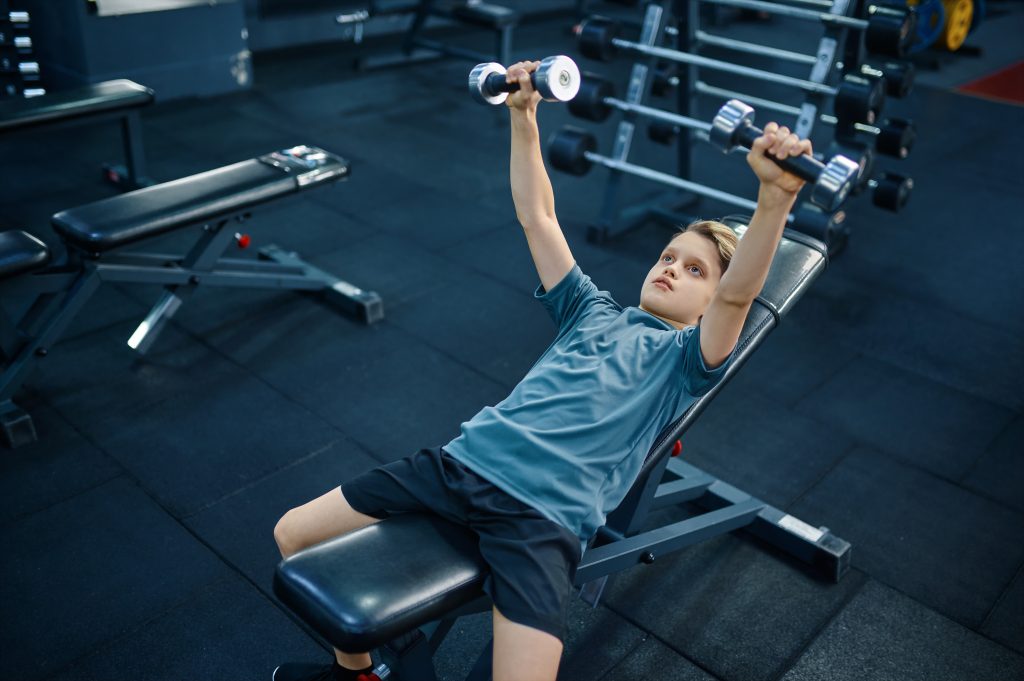
“Strength training is dangerous for children”
Strength training can be a highly effective method of protecting your child from the varying and increasing physical demands of sport as they grow and mature. As children progress through different stages of development, their bodies are constantly adapting to new challenges, making it especially important to introduce structured, age-appropriate resistance training that supports these changes. By gradually building a solid foundation of physical literacy, young athletes become better equipped to handle the stresses of training, competition, and the rapid growth associated with peak height velocity (PHV), otherwise known as the growth spurt. As a result, we can not only improve overall performance but also significantly minimise injury risk through the targeted development of key physical qualities such as motor coordination skills, musculoskeletal strength, mobility, stability, speed, power, and agility. Consistently strengthening these attributes helps athletes move more efficiently, maintain better control of their bodies, and develop the confidence needed to thrive in their sport. Ultimately, a well-designed youth strength training program sets the stage for long-term athletic development, healthier movement patterns, and greater enjoyment of physical activity throughout their sporting journey, leaving them more likely to stay engaged in physical activity as they go through and beyond adolescence.
Myth Number 2
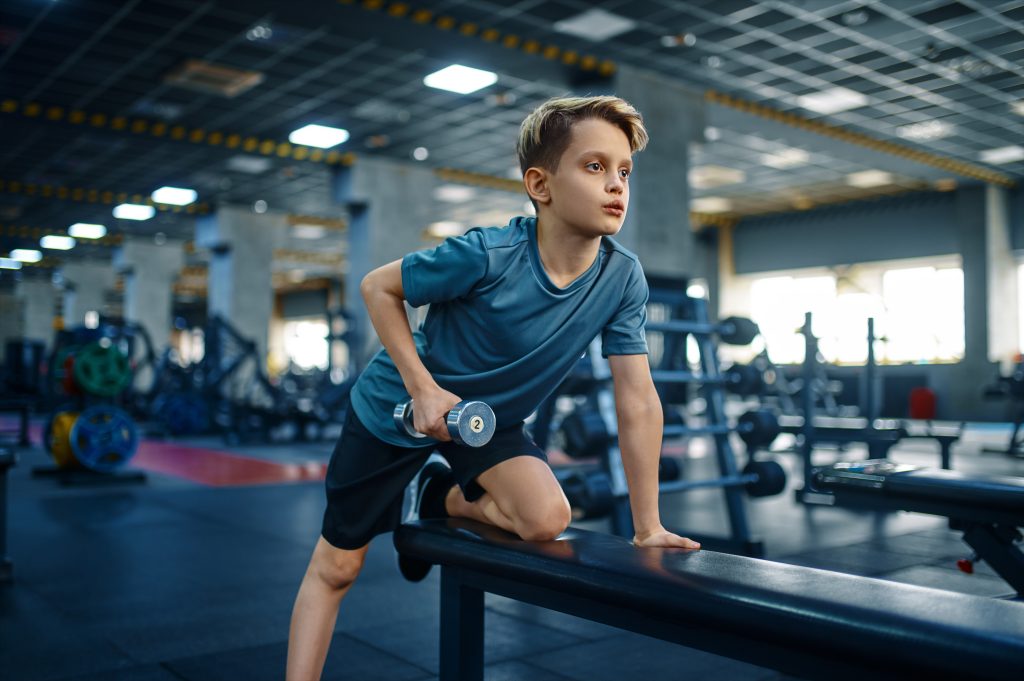
“Strength training will stunt my child’s growth”
As stated by the UK Strength & Conditioning Association (UKSCA) in their position statement on youth resistance training, there is a “compelling body of scientific evidence that supports participation in well-designed youth resistance training programmes that are supervised and instructed by qualified professionals”. Research shows that strength training in children promotes healthy bone, ligament, and tendon development throughout adolescence, directly contradicting the long-standing myth that resistance training can stunt growth. In fact, when properly supervised and tailored to a child’s age and movement competency level, strength training helps support the natural processes of maturation by enhancing joint stability and improving overall musculoskeletal resilience. Engagement in well designed athletic development programs supervised by a qualified professional and combined with effective nutrition strategies that provide the essential energy and nutrients needed for growth only further reinforces these benefits. Together, appropriate training and nutrition create an environment that not only supports safe long-term physical development but also encourages long-term health and engagement in physical activity.
Myth Number 3
“Strength training for children is the same as for adults”
With an increased growth rate during childhood comes a number of significant biological and psychological changes that must be taken into account when planning and delivering effective strength training programmes. Unlike adults, children experience periods of rapid growth such as that of the growth spurt which can temporarily affect their coordination, balance, and overall movement competency, making it essential to prioritise the fundamental movement skills and appropriate techniques. Additionally, fluctuations in hormone levels, as well as developmental shifts in motivation, attention, and emotional regulation can influence how young athletes learn, respond to coaching, and adapt to training. These factors require careful consideration and a more individualised, flexible approach, one that differs greatly from the structured and more predictable training methods typically used for adults. As per the UKSCA’s position statement, “resistance training prescription for children and adolescents should be age-related and not age- determined…and should be based according to biological status, training age, motor skill competency, technical proficiency, existing strength levels, and psychosocial maturity”. By recognising these unique developmental needs, coaches can create age-appropriate programmes that support healthy progression, build confidence, and ensure sustainable long-term athletic development.
If you want to help your child build foundations for life through youth athletic development training and begin the journey towards their true athletic potential, get in touch with us or visit our website to book a free online 20-minute consultation with Dan and get started!
Myth Number 4
“Strength training will have a detrimental impact on my child’s performance”
Strength training for children can significantly improve key physical qualities such as strength, speed, power, agility, mobility, and stability, all of which contribute directly to athletic performance. When combined with a reduced likelihood of injury, enhanced emotional regulation, and greater mental resilience, athletic development becomes a powerful tool for helping young athletes perform at their best in their chosen sports. Contrary to the misconception that strength training may cause excessive fatigue and consequently hinder performance, it actually carries a much smaller risk of injury than many sport-specific training sessions or competitive matches, largely due to the structured, controlled, and predictable nature of the gym environment. With thoughtful programming and appropriate supervision from a qualified practitioner, strength training provides a safe setting for children to learn how to move efficiently and generate force effectively. When paired with appropriate sleep routines and effective nutrition strategies, young athletes are able to recover well from their sessions, maximising the long-term benefits and ensuring that strength training supports, not detracts from, their overall performance and development.
If you want to help your child build foundations for life through youth athletic development training and begin the journey towards their true athletic potential, get in touch with us or visit our website to book a free online 20-minute consultation with Dan and get started!
Final Thoughts
Every parent wants the best for their child.
The intentions behind early specialisation almost always come from a place of love, support, and hope. But the evidence and the lived experiences of countless young athletes tell us that children thrive when they’re allowed to explore, play, and develop widely before narrowing their focus. If we can protect their joy, build their confidence, and give them the physical foundation they need, we set them up not just for sporting success but for a lifelong positive relationship with physical activity and movement.
If you’re curious about how Youth Athletic Development can support your child, whether they play one sport or five, I’d love to help you explore the best path forward. I offer a free online consultation where we can discuss your child’s goals, current training commitments, and how to build an athletic development programme that keeps them healthy, happy and performing to their best. Book your free online consultation now and take the first step toward helping your child become a confident, adaptable and resilient young athlete.
If you’re curious about how Youth Athletic Development can support your child, whether they play one sport or five, I’d love to help you explore the best path forward. I offer a free online consultation where we can discuss your child’s goals, current training commitments, and how to build an athletic development programme that keeps them healthy, happy and performing to their best. Book your free online consultation now and take the first step toward helping your child become a confident, adaptable and resilient young athlete.