
Is Early Sport Specialisation Hurting Your Child? A Parent’s Guide to Raising Happy & Healthy Young Athletes
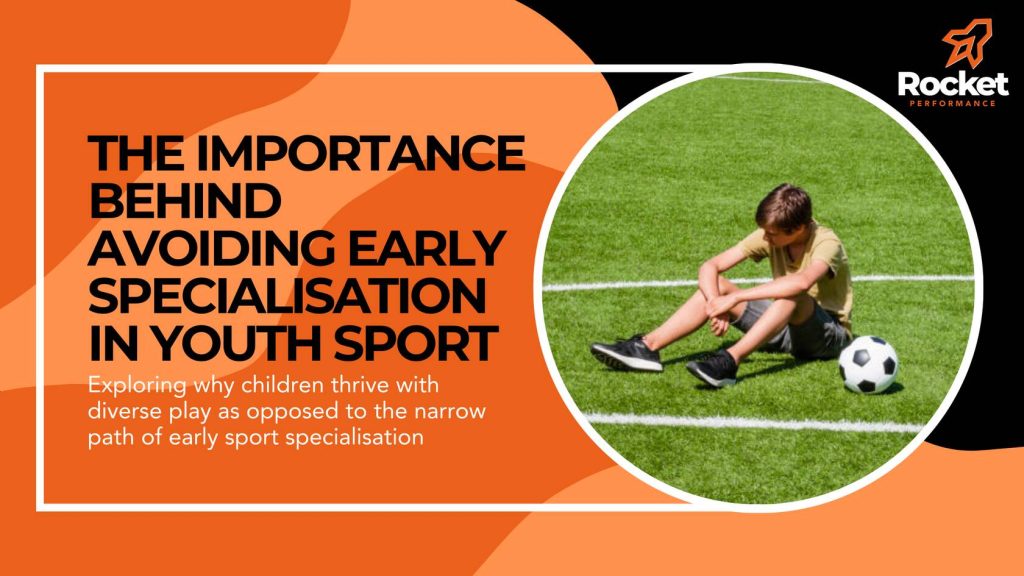
Exploring why children thrive with diverse play as opposed to the narrow path of early sport specialisation
If you’re a parent of a sporty child, you’ve probably felt the pressure to commit early, to pick the sport, to train harder and more often than everyone else. It can sometimes feel like the only way to give your child a real chance is to double down and specialise sooner rather than later. Having worked in elite academy football for over 5 years I have seen countless parents facing this pressure.
And yet something about that doesn’t always sit right. You want your child to succeed, of course. But you also want them to enjoy their sport, stay healthy, and avoid the mental and physical burnout that seems to be creeping into youth sports earlier every year.
The good news? Your instincts are right. Early specialisation (focusing on one sport at a young age) is rarely the golden ticket it’s marketed to be, and for most children, it actually does more harm than good. Let’s explore why.
1. Movement Literacy is Built Through Variety, not Repetition.
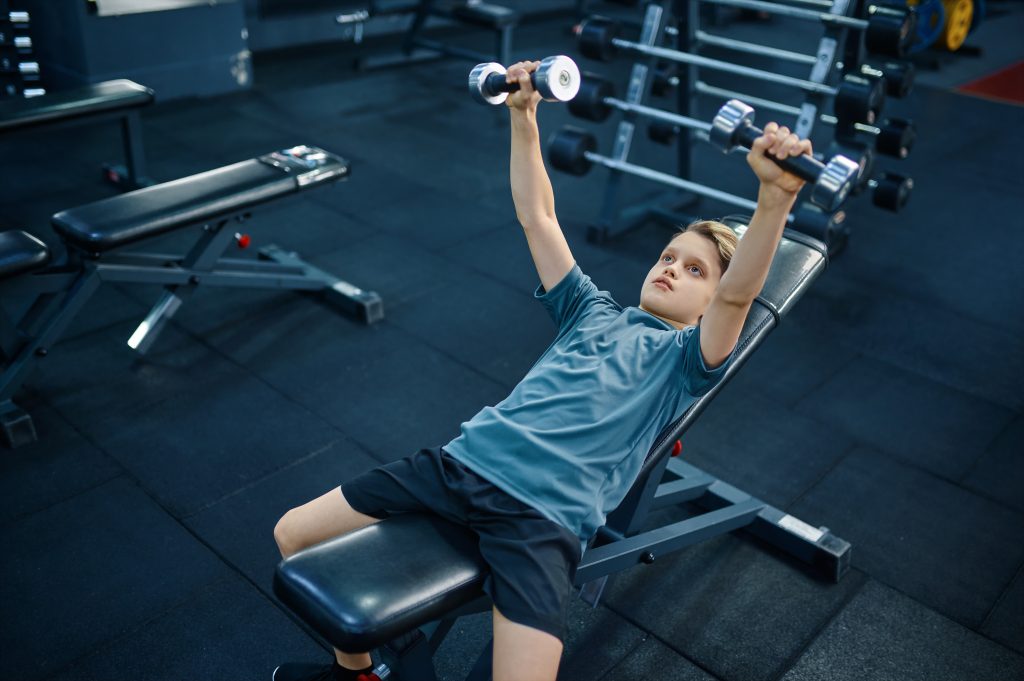
Children aren’t mini adults, they learn movement through exploring, experimenting, failing, and trying again in different environments. When a child is funnelled into one sport too early, they develop a very narrow set of movement skills. This can leave gaps in:
- balance
- coordination
- agility
- strength
- spatial awareness
- overall motor competency
Multi-sport involvement creates movement literacy, the ability to move well, adapt, and thrive across different physical challenges. Children with broad movement literacy become better athletes later on, no matter which sport they eventually choose.
2. Adaptable Movers Become Better Athletes
Think about the most exciting athletes you’ve ever watched, those who move effortlessly, react quickly, and seem to have an instinctive understanding of their body. These qualities don’t come from repeating the same motions year-round. They come from:
- learning to cut and turn in football
- balancing on a beam in gymnastics
- jumping and landing in basketball
- tracking objects in tennis or cricket
- sprinting on varied surfaces during physical activity
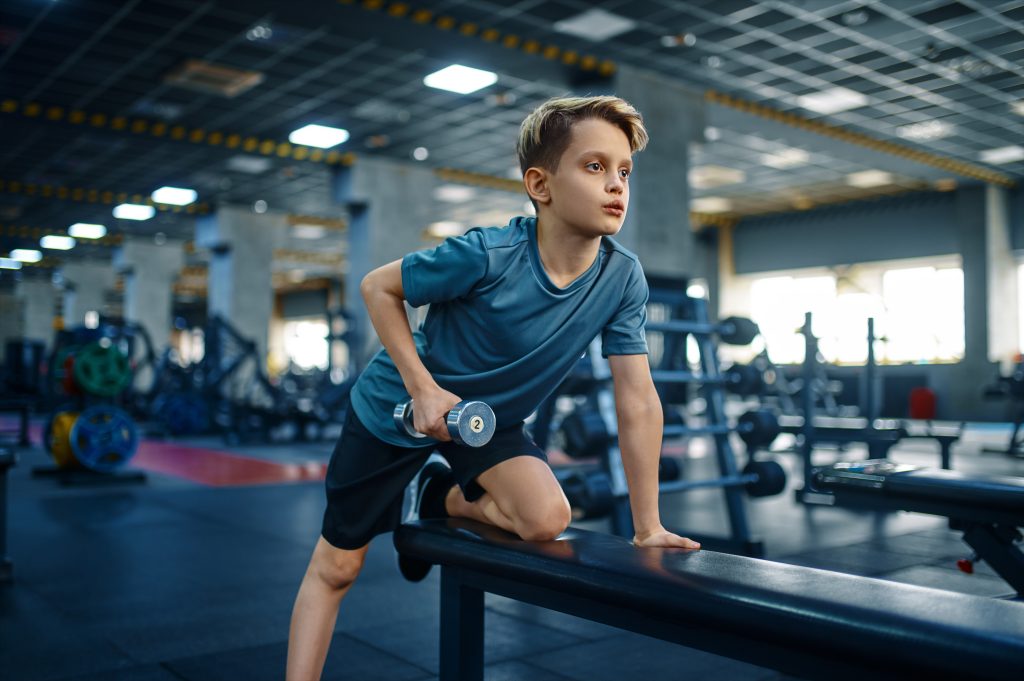
Different sports teach different movement solutions. Diversity builds adaptability, and adaptability is the foundation of athletic excellence. Early specialisation however does the opposite. Children become very good at one system of movement but struggle when the demands change. With The Ashes currently taking place this winter, I remember reading an article a few years back about how the likes of Ben Stokes and Joe Root were still playing other sports such as hockey, tennis, football and more into their late teens. It is also no coincidence that you’ll see the entire team warming up for some of the most important cricket matches of their career by having a kick about with a football.
3. The Burnout Problem: Physical and Mental
Perhaps the biggest concern of early specialisation in youth sport is that of burnout.
Physical burnout
Constant repetition of the same movements leads to:
- overuse injuries
- growth-related issues
- muscle imbalances
- chronic pain
Young developing bodies aren’t designed for high-volume repetitive training without variety.
Mental burnout
A child who specialises early often carries:
- pressure to perform
- fear of letting people down
- loss of enjoyment
- Identity tied to one sport
Many talented young athletes quit the sport they once loved and obsessed over, not because they weren’t good enough, but because they were exhausted, a consequence no parent wants.
4. You Don’t Have to Choose Between “Fun” and “Success”
Parents often feel torn between two desires: supporting their child’s big dreams, and protecting their happiness and wellbeing. It’s a tough balance. And the world of youth sport doesn’t make it easier, but here’s the truth: children who develop broadly, enjoy their training, and stay healthy are far more likely to stay engaged in sport and succeed long-term. You’re not holding your child back by encouraging variety, you’re simply giving them a stronger foundation to build from.
5. Where Youth Athletic Development Training Fits in
This is exactly where Youth Athletic Development Training training becomes so valuable. Youth athletic development training is designed to support young athletes by developing the physical qualities that underpin all sports:
- speed
- change of direction
- strength
- coordination
- power
- balance
- movement efficiency
Final Thoughts
Every parent wants the best for their child.
The intentions behind early specialisation almost always come from a place of love, support, and hope. But the evidence and the lived experiences of countless young athletes tell us that children thrive when they’re allowed to explore, play, and develop widely before narrowing their focus. If we can protect their joy, build their confidence, and give them the physical foundation they need, we set them up not just for sporting success but for a lifelong positive relationship with physical activity and movement.
If you’re curious about how Youth Athletic Development can support your child, whether they play one sport or five, I’d love to help you explore the best path forward. I offer a free online consultation where we can discuss your child’s goals, current training commitments, and how to build an athletic development programme that keeps them healthy, happy and performing to their best. Book your free online consultation now and take the first step toward helping your child become a confident, adaptable and resilient young athlete.